


Gynaecological tumours in children and adolescents are often overlooked in Malaysia. Though rare, ovarian tumours present complex diagnostic, emotional, and treatment challenges for young patients, families, and healthcare providers. The Malaysian Society of Paediatric Haematology and Oncology estimates an incidence of about 77.4 per million children under 15, with cancers that differ markedly from those found in adults and respond differently to treatment.
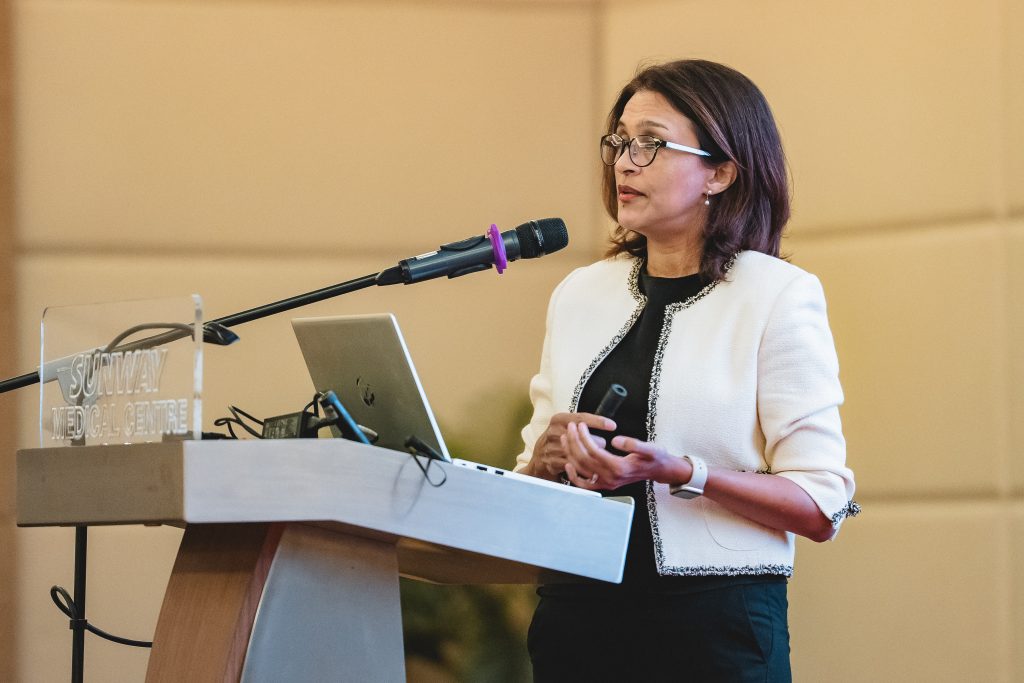
According to Dr Shona Alison Edmonds, Consultant Paediatric Surgeon at Sunway Medical Centre, Sunway City (SMC), early awareness and a multidisciplinary approach are key to improving outcomes and preserving the future quality of life for affected children.
Dr Shona and her team estimate they see about five paediatric gynaecological tumour cases annually. Though rare, their impact is significant. Most patients are infants to teenagers, with ovarian tumours being most common. Some present with acute pain needing emergency care, but many show subtle signs that can go unnoticed for weeks or months, especially in girls without prior gynaecological issues. Chronic constipation in a previously regular child should raise concern, especially if it is unresponsive to laxatives or dietary changes. Frequent urination without a urinary tract infection is another warning sign, possibly indicating pressure from a pelvic mass. Abdominal bloating is another key but often overlooked symptom. Parents or the child might notice vague fullness, hardness, or swelling. Sometimes the child feels a lump or discomfort that is difficult to explain. These subtle signs warrant further investigation, usually starting with a simple ultrasound.
A major barrier to timely diagnosis is lack of awareness among the public and medical practitioners. There is a misconception that children do not get gynaecological tumours, especially prepubertal girls. When teenagers show symptoms, they are often misattributed to infections or sexual activity, delaying proper intervention. Dr Shona highlights systemic delays, both patient-related, such as fear of negative news or reliance on alternative treatments, and physician-related, where general practitioners or paediatricians may not know the correct referral pathway. A child with a suspected tumour should be seen and managed primarily by a paediatric oncologist.
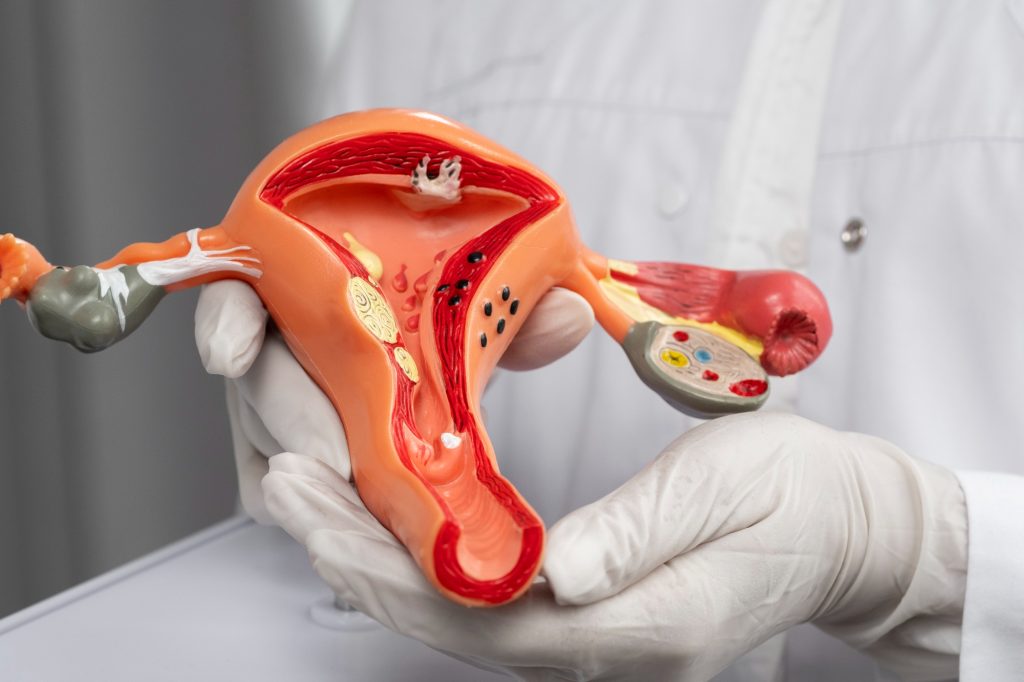
Dr Shona stresses that while fertility preservation is important, it must never come at the expense of a child’s survival. Tumour treatment always takes priority. Older girls may delay treatment by two weeks to preserve eggs, while in younger girls, ovarian tissue cryopreservation offers hope. While not yet common in Malaysia due to the low number of cases, awareness is growing. More parents are asking about their child’s future fertility, which is why fertility specialists need to be involved from the start.
Supporting long-term well-being involves more than managing disease. It also requires emotional and family support. Caring for the children’s development demands care beyond the tumour itself. Psychological support during and after treatment is vital, as peers and professionals help children cope with trauma. Dr Shona also emphasises that any health conditions or cancers in children should involve paediatric care teams. Current Ministry of Health guidelines still define paediatric care as up to age 12, yet most gynaecological tumours occur in teenagers. She stresses that doctors are not just treating a tumour, but the whole child.
When a child presents with a gynaecological tumour, coordinated care becomes crucial. A multidisciplinary team approach addresses all aspects of the child’s well-being, with the paediatric oncologist serving as the gatekeeper. The team is coordinated to involve paediatric surgeons, radiologists, pathologists, psychologists or psychiatrists, social workers, play therapists, and increasingly, adolescent and fertility gynaecologists. Her advice to families is simple: do not delay treatment. If a second opinion is needed, seek it from a qualified medical practitioner. Most importantly, choose a centre that sees the child as more than a tumour.
Dr Shona shared her insights in a session titled “Gynae Tumours in Children and Teens: Bridging the Gap” at SMC’s 2nd International Paediatric Symposium. The symposium, themed “Paediatrics Without Borders: Bridging Subspecialties, Saving Lives,” brought together leading experts from across the globe to tackle urgent child health challenges and reaffirm SMC’s commitment to integrated, child-first care.
SMC has ranked top for paediatrics in Malaysia for three consecutive years by Newsweek in the Best Specialised Hospitals Asia Pacific ranking since 2023. It hosts dedicated Children and Women’s Centres of Excellence and is the country’s first private hospital to have a 24-hour Children’s Emergency Department. With 26 paediatric subspecialties and 50 consultants, SMC is a comprehensive centre for infants, children, and adolescents. It is accredited by the Australian Council on Healthcare Standards (ACHS) International, the Malaysian Society for Quality in Health (MSQH), and the Joint Commission International (JCI) Accreditation from the United States of America, underscoring its commitment to world-class, patient-centred care.
Source: Malaysian Society of Paediatric Haematology and Oncology (MASPHO). (2015). It’s time to fight childhood cancer together. Retrieved July 21, 2025, from Cancer Information – Malaysian Society of Paediatric Haematology and Oncology (MASPHO).